Most Affordable Neighborhoods in Seattle, Washington: Summer 2026 Guide
Seattle, Washington is one of the most desirable and economically dynamic cities in the United States, and its real estate market reflects that demand at every price point. Summer...

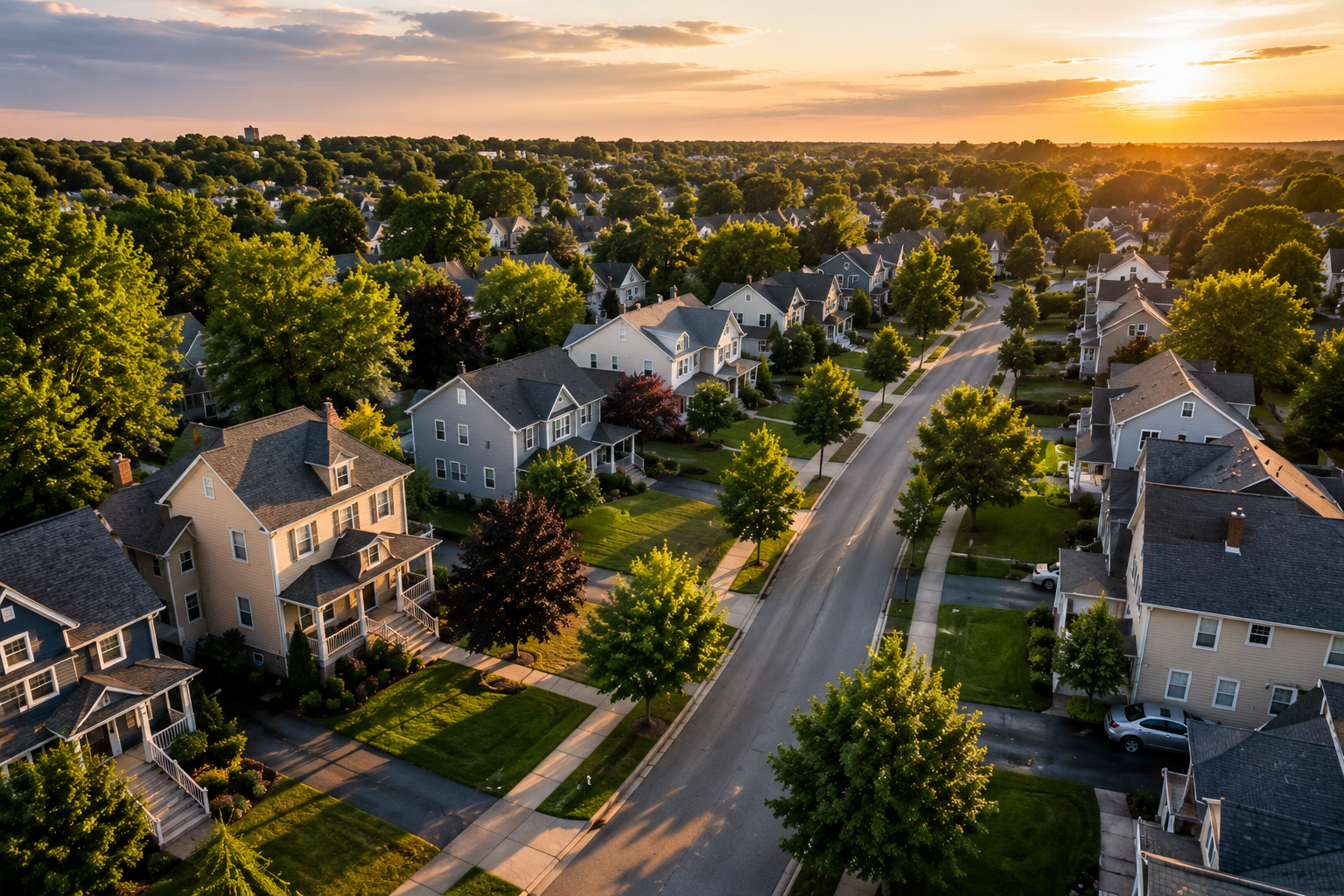
Seattle · Community Photo
Seattle, Washington is one of the most desirable and economically dynamic cities in the United States, and its real estate market reflects that demand at every price point. Summer 2026 finds the Seattle market in a period of recalibration, with rising inventory in certain corridors and shifting buyer priorities creating genuine opportunities for budget-conscious buyers who know where to look. If you are searching for affordable neighborhoods in Seattle, here is your comprehensive Summer 2026 guide.
Current Affordability Overview: How Summer Conditions Shape the Market
Summer is traditionally the busiest season in Seattle real estate, with more listings hitting the market as sellers take advantage of the city's spectacular summer weather and high buyer demand. In 2026, Seattle's affordability landscape has been shaped by a combination of sustained population growth, ongoing development in emerging neighborhoods, and the continued expansion of the regional transit network that has made previously overlooked corridors more attractive and accessible. For buyers with budget constraints, summer brings both opportunity and competition in equal measure. Acting quickly, coming in pre-approved, and targeting neighborhoods that have not yet fully gentrified are the keys to finding value in Seattle's summer market.
Budget-Friendly Areas: Neighborhoods Offering the Best Value Per Dollar
White Center: Officially part of unincorporated King County rather than the City of Seattle proper, White Center sits just southwest of West Seattle and consistently offers some of the lowest entry prices of any neighborhood in the immediate Seattle area. Its diverse community, growing restaurant and arts scene, and improving infrastructure have begun attracting buyers priced out of West Seattle, but meaningful affordability remains. Buyers looking for Seattle-adjacent living at a fraction of the cost of closer-in neighborhoods should put White Center at the top of their list.
Rainier Valley and Rainier Beach: The Rainier Valley corridor, running south from the Central District toward Rainier Beach, offers some of the most accessible price points within Seattle city limits. The Link light rail stations along Rainier Avenue connect residents to downtown Seattle in 15 to 20 minutes, giving buyers exceptional transit connectivity alongside genuine affordability. The neighborhood's diversity, established community character, and proximity to Lake Washington make it one of the most compelling value propositions in the entire city.
Delridge and Highland Park: Located in southwestern Seattle between West Seattle and White Center, the Delridge and Highland Park neighborhoods offer single-family homes at prices that are dramatically lower than comparable properties in Ballard, Capitol Hill, or Queen Anne. The neighborhoods' improving amenities, parks, and bus connections to downtown Seattle make them increasingly attractive for first-time buyers and value-focused investors.
South Beacon Hill: Beacon Hill has long been one of Seattle's more accessible neighborhoods, and its southern sections offer some of the lowest prices on the hill while maintaining light rail connectivity via the Beacon Hill station. The neighborhood's Vietnamese and East African community character, excellent pho restaurants, and parks make it a genuinely vibrant and underrated place to buy.
Northgate and Pinehurst: The Northgate light rail station has driven renewed interest in the neighborhoods surrounding it, but pricing in Pinehurst and the areas north of Northgate Mall remains meaningfully more accessible than the Eastside or closer-in Seattle neighborhoods. Buyers who move quickly in this corridor can still find genuine value alongside exceptional transit connectivity.
What You Get: Home Sizes, Features, and Trade-Offs
In Seattle's affordable neighborhoods, buyers can generally expect older construction, typically post-war bungalows and Craftsman homes built between the 1940s and 1970s, often with original kitchens and bathrooms that reflect renovation opportunities rather than move-in-ready finishes. Lot sizes are typically modest, and some blocks feature mixed housing types including older apartment buildings alongside single-family homes. The trade-offs typically include longer commutes from car-dependent areas, less polished streetscapes in transitioning neighborhoods, and less immediate walkability to premium retail and dining options. The upside is significant equity potential as these neighborhoods continue to develop and as light rail connectivity improves their desirability.
Buying Tips: How to Compete Effectively in Affordable Markets
Even in Seattle's most affordable neighborhoods, competition can be fierce, as budget-conscious buyers and investors often target the same properties. Getting mortgage pre-approval before you begin touring homes is essential. Escalation clauses that automatically increase your offer up to a set maximum are commonly used in Seattle and can help buyers compete without overcommitting. Working with a local real estate professional who knows these specific neighborhoods gives you a meaningful advantage in identifying value before it is widely recognized. Inspections remain important even in competitive markets, and buyers who are flexible on closing timelines often have an edge with sellers who value certainty over maximum price.
FAQ: Affordable Housing in Seattle
What are the cheapest neighborhoods in Seattle? White Center, Rainier Valley, Rainier Beach, Delridge, Highland Park, and South Beacon Hill consistently offer some of the most accessible price points in the Seattle area. Each offers light rail or bus connectivity to downtown Seattle.
Is Seattle affordable to live in? Seattle is one of the more expensive cities in the United States, but its affordable neighborhoods offer genuine value for buyers who are willing to look beyond the city's most prominent zip codes. Buyers who prioritize transit connectivity and are comfortable with older housing stock can find meaningful affordability within city limits.
Explore Seattle's Affordable Neighborhoods
Seattle's most affordable neighborhoods represent some of the best long-term value opportunities in the Pacific Northwest real estate market. Explore more neighborhood insights and housing options on Explore Seattle. Looking for an affordable home in Seattle? Connect with Ed Laine today for expert local guidance and help finding the best value in this dynamic market.
References:
Zillow Research. (n.d.). Seattle, WA Home Values. https://www.zillow.com/seattle-wa/home-values/
Redfin. (n.d.). Seattle, WA Housing Market. https://www.redfin.com/city/16163/WA/Seattle/housing-market
King County Assessor. (n.d.). Property Data. https://www.kingcounty.gov/services/gis/Maps/
Sound Transit. (n.d.). Link Light Rail Stations. https://www.soundtransit.org/
U.S. Census Bureau. (n.d.). Seattle, WA Community Facts. https://www.census.gov/
Every Thursday — local news, events, deals, and new listings. Free forever.